
Aquarium Plants 101: The Pet Zone SD Guide to Freshwater Aquarium Plants
Freshwater aquarium plants are live aquatic plants used in fish tanks, planted aquariums, shrimp tanks, and aquascapes. Aquarium plants can provide shelter for fish and shrimp, improve the natural look of an aquarium, help absorb excess nutrients, and create a healthier, more balanced freshwater environment when paired with proper lighting, substrate, nutrients, and maintenance. Pet Zone SD carries freshwater aquarium plants for beginners, low-tech tanks, CO2 aquascapes, shrimp tanks, nano aquariums, and advanced planted tank layouts.
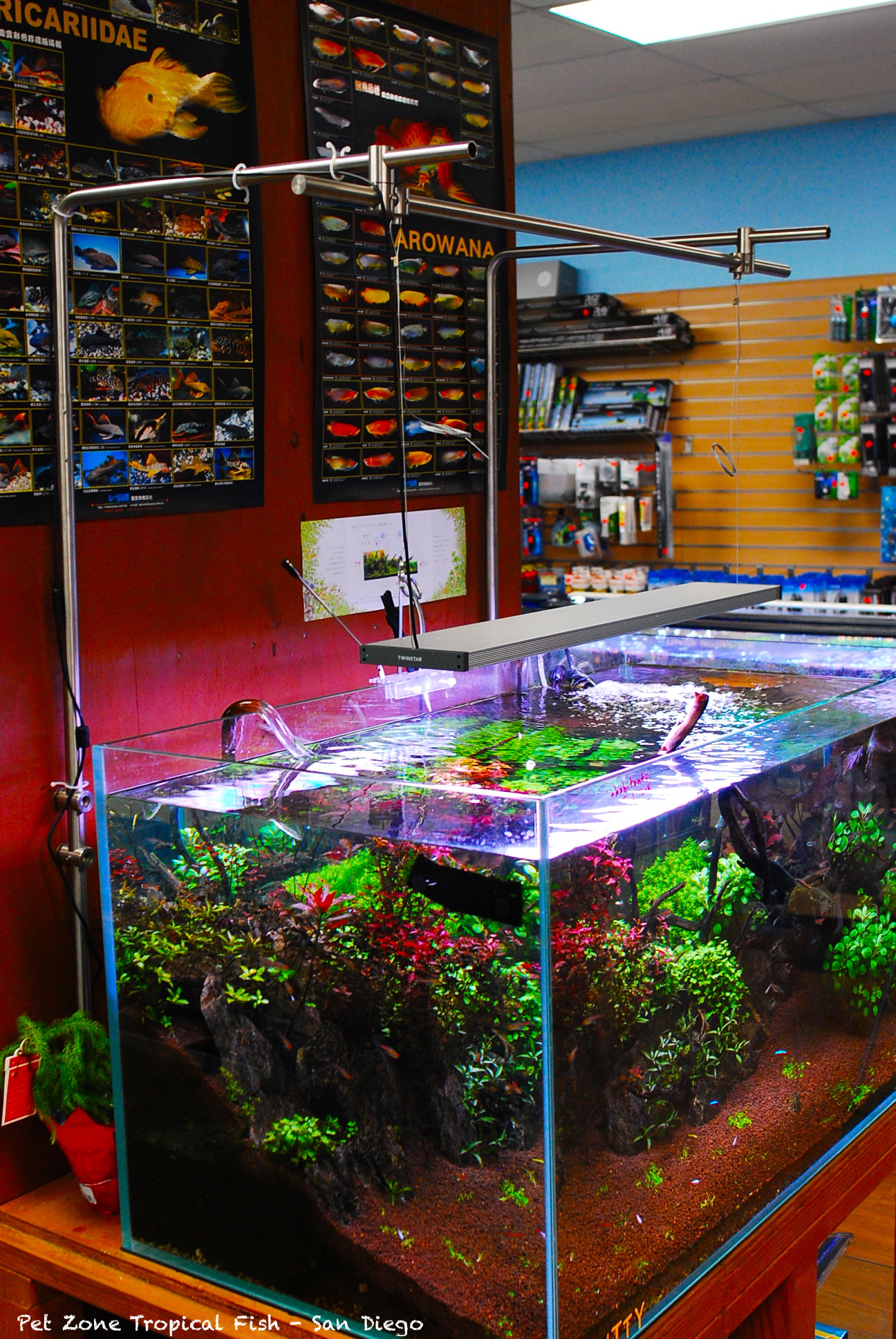
If you are new to aquarium plants, the hobby can feel overwhelming at first. There are foreground plants, stem plants, epiphytes, carpeting plants, tissue culture plants, low-tech plants, high-tech CO2 plants, root feeders, water-column feeders, and plants that melt when moved into a new tank.
The good news? You do not need to know everything to start. You just need to choose the right plants for your aquarium setup.
This Aquarium Plants 101 guide from Pet Zone SD will help you understand the basics of freshwater aquarium plants so you can build a healthier, better-looking planted tank.
What Are Aquarium Plants?
Aquarium plants are aquatic or semi-aquatic plants that can grow submerged in a freshwater aquarium. They are used in fish tanks, planted tanks, shrimp tanks, aquascapes, betta tanks, nano tanks, and community aquariums.
Aquarium plants are popular because they can:
- Make an aquarium look more natural
- Provide shelter for fish and shrimp
- Give fry and baby shrimp places to hide
- Help compete with algae for nutrients
- Add color, texture, and movement
- Create a more natural environment
- Support aquascaping layouts
- Make fish feel more secure
Some aquarium plants are very easy and forgiving. Others need stronger lighting, CO2 injection, nutrient dosing, aquasoil, trimming, and more consistent maintenance.
Are Live Aquarium Plants Good for Fish Tanks?
Yes. Live aquarium plants can be very beneficial when matched with the right aquarium setup.
Live plants can help create a more natural habitat for freshwater fish and shrimp. Many fish feel safer when they have plant cover, shaded areas, and visual breaks in the tank. Shrimp, fry, and small fish also use plants as grazing surfaces and hiding spots.
However, live plants are not magic. They still need the right conditions to grow. If the lighting, nutrients, substrate, or water conditions are not a good match, plants may melt, yellow, drop leaves, or become covered in algae.
The key is choosing plants that fit your tank instead of forcing difficult plants into a setup that is not ready for them.
Beginner Aquarium Plants
Beginner aquarium plants are hardy, adaptable, and forgiving. These are the plants we usually recommend for customers who are starting their first planted aquarium.
Good beginner aquarium plants include:
- Anubias
- Java fern
- Java moss
- Cryptocoryne
- Amazon sword
- Pearl weed
- Vallisneria
- Water sprite
- Hornwort
- Floating plants
- Bucephalandra
- Marimo-style moss balls, when available
- Easy stem plants like Ludwigia and Rotala varieties
Beginner plants are usually more tolerant of lower light, no CO2, and basic fertilizer routines. Many of them grow slowly or moderately, which makes them easier to maintain.
Best beginner plant tip
Start with hardy plants before trying advanced carpeting plants or red stem plants. A simple planted tank that stays healthy is better than a high-tech setup that becomes frustrating.
Low-Tech Aquarium Plants
A low-tech planted tank is an aquarium that does not use injected CO2. These tanks usually rely on moderate lighting, hardy plants, fish waste, root tabs, liquid fertilizer, and regular maintenance.
Low-tech planted tanks are great for beginners because they are simpler and less expensive than high-tech planted tanks.
Good low-tech aquarium plants include:
- Anubias
- Java fern
- Bucephalandra
- Cryptocoryne
- Amazon sword
- Java moss
- Pearl weed
- Water wisteria
- Water sprite
- Vallisneria
- Hornwort
- Floating plants
- Some Ludwigia varieties
- Some Rotala varieties
Low-tech plants usually grow slower than plants in CO2-injected tanks. That is not a bad thing. Slower growth often means less trimming and easier maintenance.
CO2 Aquarium Plants
CO2-injected planted tanks use carbon dioxide injection to help plants grow faster, fuller, and healthier. CO2 is especially useful for demanding aquascapes, carpeting plants, high-light tanks, dense plant growth, and advanced planted layouts.
Plants that often benefit from CO2 include:
- Monte Carlo
- Dwarf hairgrass
- Glossostigma
- Hemianthus callitrichoides “Dwarf Baby Tears”
- Rotala varieties
- Ludwigia varieties
- Alternanthera reineckii
- Red stem plants
- Fine-leaf stem plants
- Dense carpeting plants
CO2 can make a big difference, but it also adds responsibility. A CO2 tank needs balance. Too much light without enough CO2 or nutrients can trigger algae. Too much CO2 can stress fish and shrimp. Consistency matters.
Do you need CO2 for aquarium plants?
No, not always. Many aquarium plants can grow without CO2. But CO2 helps demanding plants, carpeting plants, and advanced aquascapes grow better.
Foreground Aquarium Plants
Foreground plants are used near the front of the aquarium. They stay low and help create a sense of scale in aquascapes.
Popular foreground plants include:
- Dwarf hairgrass
- Monte Carlo
- Marsilea
- Cryptocoryne parva
- Glossostigma
- Dwarf baby tears
- Lilaeopsis
- Small Bucephalandra varieties
- Small Anubias varieties
Foreground plants are often used to create carpets, grassy areas, or low plant borders. Some foreground plants can grow in low-tech tanks, but many carpeting plants do best with strong lighting, nutrient-rich substrate, and CO2.
Midground Aquarium Plants
Midground plants sit between the foreground and background of the aquarium. They help transition the layout and add depth.
Popular midground plants include:
- Cryptocoryne
- Anubias
- Bucephalandra
- Java fern
- Staurogyne repens
- Pearl weed
- Bolbitis
- Small swords
- Compact stem plants
Midground plants are extremely useful in aquascaping because they soften the hardscape and help connect the front and back of the tank visually.
Background Aquarium Plants
Background plants are taller plants used toward the back of the aquarium. They can hide equipment, create a lush backdrop, and add movement to the tank.
Popular background plants include:
- Vallisneria
- Amazon sword
- Ludwigia
- Rotala
- Limnophila
- Bacopa
- Water sprite
- Pearl weed
- Hygrophila
- Hornwort
Background plants are great for community tanks because they provide cover and make fish feel more secure. In aquascapes, background plants help create height and depth.
Stem Plants
Stem plants grow from vertical stems and are commonly used in midground and background areas. Many stem plants grow quickly, which makes them useful for filling space and competing with algae.
Popular stem plants include:
- Rotala
- Ludwigia
- Bacopa
- Limnophila
- Hygrophila
- Pearl weed
- Water wisteria
Stem plants are usually propagated by trimming and replanting the cuttings. With good lighting and nutrients, many stem plants grow fuller after trimming.
Stem plant tip
If stem plants look leggy, pale, or stretched out, they may need stronger lighting, better nutrients, or more frequent trimming.
Epiphyte Aquarium Plants
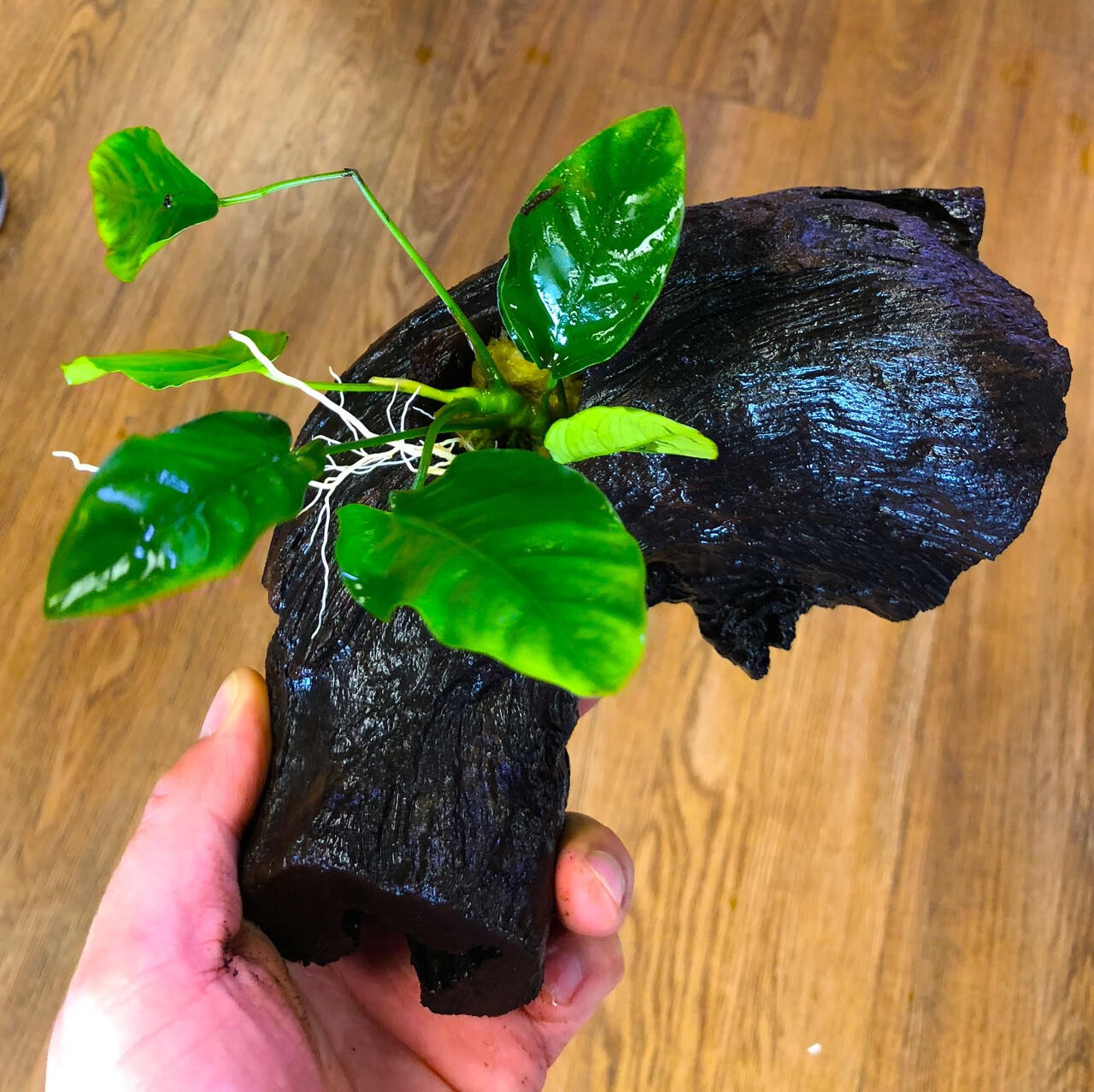
Epiphyte plants are aquarium plants that attach to hardscape instead of being buried deeply in substrate. These are some of the best plants for beginners and aquascapers.
Popular epiphyte plants include:
- Anubias
- Java fern
- Bucephalandra
- Bolbitis
- Aquarium mosses
Epiphytes are usually attached to rocks, driftwood, or decorations using thread, glue, or wedging into hardscape cracks.
Important epiphyte tip
Do not bury the rhizome of Anubias, Java fern, or Bucephalandra. The rhizome is the thick horizontal stem where leaves and roots grow. If the rhizome is buried, the plant can rot.
Tissue Culture Aquarium Plants
Tissue culture plants are aquarium plants grown in sterile cups. They are popular with aquascapers because they usually come free from pests, algae, snails, and hitchhikers.
Pet Zone SD carries tissue culture plants such as rare stem plants, carpeting plants, mosses, and aquascaping plants depending on availability. Some Pet Zone SD tissue culture listings describe tissue culture plants as being grown in sterile conditions and useful for shrimp tanks and sensitive setups.
Tissue culture plants are great for:
- Clean aquascapes
- Shrimp tanks
- Nano tanks
- Carpet plants
- Rare plants
- Pest-free starts
- High-end planted tanks
How to prepare tissue culture plants
- Remove the plant from the cup.
- Rinse off the gel gently.
- Separate the plant into small portions.
- Plant small portions into substrate or attach them to hardscape, depending on the plant type.
- Give the plant time to transition.
Tissue culture plants may still melt during transition, especially if the plant is adjusting from lab-grown conditions to submerged aquarium life.
Aquarium Plant Melting
Plant melting happens when aquarium plants lose leaves, soften, turn transparent, or appear to “melt” after being added to a tank.
This can happen because of:
- Transition from emersed growth to submerged growth
- New water conditions
- Shipping stress
- Weak lighting
- Nutrient imbalance
- Lack of root nutrients
- Sudden parameter changes
- Poor planting technique
- Burying epiphyte rhizomes
- Uncycled or unstable tanks
Plant melting does not always mean the plant is dead. Many aquarium plants melt old leaves and then regrow new submerged leaves once they adjust.
Common plants that may melt
- Cryptocoryne
- Tissue culture plants
- Sword plants
- Stem plants
- Carpeting plants
- Plants grown emersed before sale
What to do if aquarium plants melt
Remove decaying leaves, keep the tank stable, avoid constant replanting, provide proper nutrients, and give the plant time. If the roots or rhizome are still healthy, the plant may recover.
Aquarium Lighting for Plants
Lighting is one of the most important parts of a planted aquarium. Plants need light for photosynthesis, but more light is not always better.
Too little light can cause:
- Slow growth
- Leggy stem plants
- Yellowing leaves
- Weak carpeting plants
- Poor color
Too much light can cause:
- Algae outbreaks
- Plant stress
- Nutrient imbalance
- CO2 imbalance in high-tech tanks
For beginners, a consistent lighting schedule is better than leaving the light on all day. Many planted tanks do well with a daily photoperiod of around 6 to 8 hours, depending on plant type, light strength, nutrients, and algae conditions.
Lighting tip
If algae is increasing quickly, reduce the lighting period before making major changes. Too much light is one of the most common beginner planted tank mistakes.
Aquarium Plant Nutrients
Aquarium plants need nutrients to grow. Some nutrients come from fish waste and substrate, but planted tanks often need additional support.
Important plant nutrients include:
- Nitrogen
- Phosphorus
- Potassium
- Iron
- Magnesium
- Calcium
- Trace minerals
There are two common ways to feed aquarium plants:
Liquid fertilizer
Liquid fertilizer is added to the water column. It is useful for stem plants, epiphytes, floating plants, mosses, and plants that feed from the water.
Root tabs
Root tabs are placed into the substrate near root-feeding plants. They are useful for plants such as Amazon swords, Cryptocoryne, Vallisneria, and other heavy root feeders.
Nutrient tip
Yellow leaves, holes, pale growth, weak stems, and poor color can sometimes point to nutrient issues. But lighting, CO2, substrate, water parameters, and plant transition can also be involved.
Aquarium Substrate for Plants
Substrate matters because many aquarium plants root into the bottom of the tank.
Common planted tank substrates include:
- Aquasoil
- Sand
- Gravel
- Nutrient-rich planted substrate
- Inert substrate with root tabs
Aquasoil is popular for aquascaping and planted tanks because it can support plant roots and provide nutrients. Sand and gravel can also work, but heavy root-feeding plants may need root tabs.
Substrate tip
Carpeting plants and heavy root feeders usually do better in nutrient-rich substrate than plain gravel alone.
Algae in Planted Aquariums
Algae is common in planted aquariums, especially new tanks. A small amount of algae is normal, but heavy algae growth usually points to imbalance.
Common causes of algae include:
- Too much light
- Inconsistent CO2
- Excess nutrients
- Too little plant mass
- Overfeeding
- Poor maintenance
- Unstable new tank conditions
- Dead plant material
- Low water flow
Ways to reduce algae include:
- Shorten the lighting period
- Add more healthy plants
- Remove dying leaves
- Avoid overfeeding
- Perform regular water changes
- Keep nutrients consistent
- Improve water circulation
- Balance CO2 if using it
- Add appropriate algae-eating livestock only when compatible
Algae tip
Do not rely only on algae eaters. Algae control starts with balance, maintenance, and healthy plant growth.
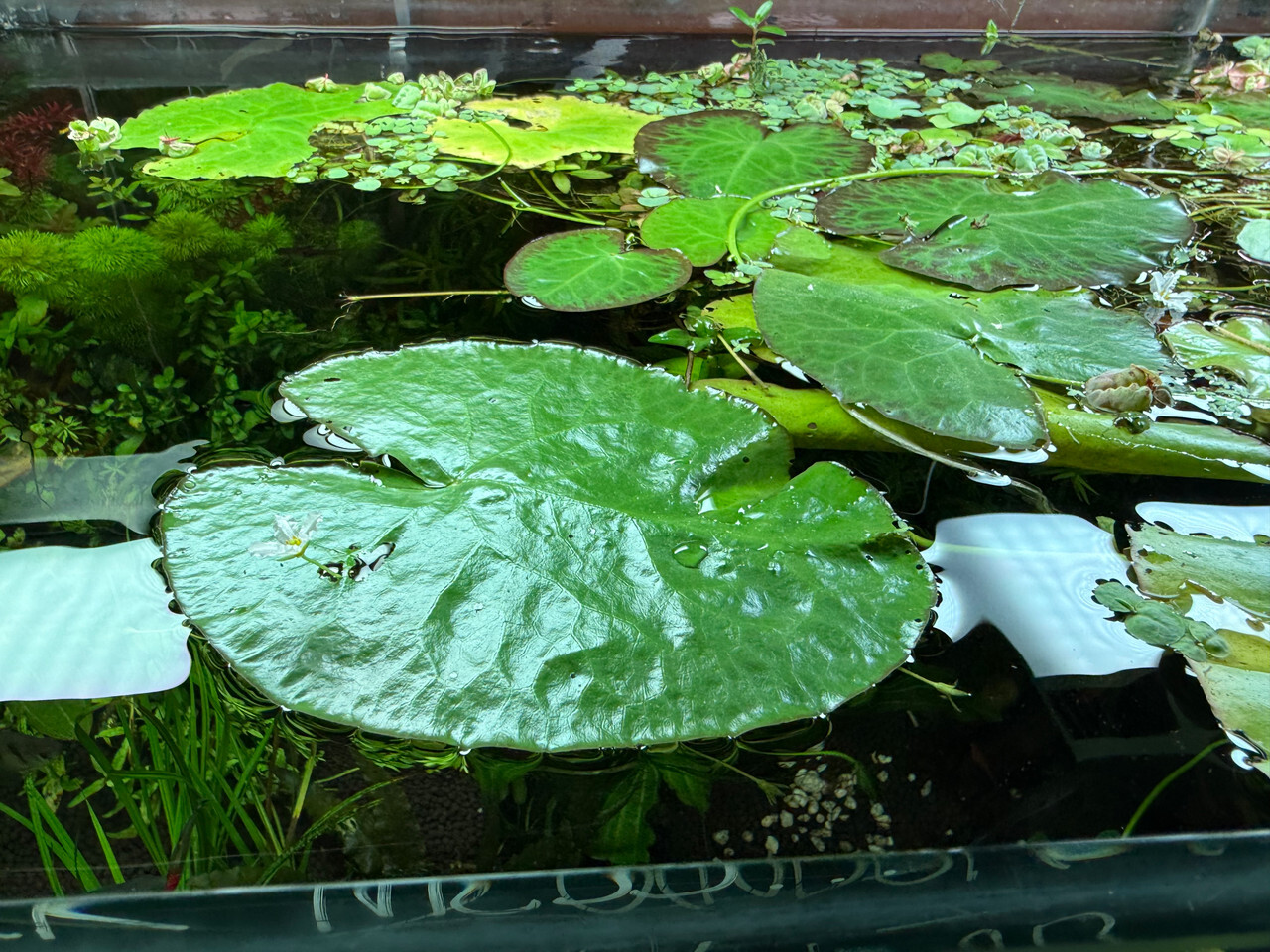
Floating Aquarium Plants
Floating plants grow at the surface of the aquarium. They are popular because they are easy to keep and help create shade.
Popular floating plants include:
- Frogbit
- Red root floaters
- Salvinia
- Water lettuce
- Duckweed
- Floating stem plants
Floating plants can help absorb nutrients and provide cover for fish, but they can also block light from plants below. Some floating plants grow very quickly and need regular removal.
Aquarium Plants for Shrimp Tanks
Live plants are excellent for shrimp tanks. Plants and mosses create surfaces for biofilm, hiding areas for baby shrimp, and a more natural environment.
Good shrimp tank plants include:
- Java moss
- Christmas moss
- Bucephalandra
- Anubias
- Java fern
- Subwassertang
- Floating plants
- Pearl weed
- Cryptocoryne
- Tissue culture plants
Tissue culture plants are especially popular for shrimp tanks because they are usually free from snails, algae, and pests.
Aquarium Plants for Betta Tanks
Bettas often enjoy planted tanks because plants create resting spots, shade, and a more natural environment.
Good plants for betta tanks include:
- Anubias
- Java fern
- Bucephalandra
- Cryptocoryne
- Amazon sword
- Floating plants
- Java moss
- Water sprite
- Hornwort
- Pearl weed
For bettas, avoid sharp decorations and make sure water flow is not too strong. Broad-leaf plants can give bettas places to rest near the surface.
Aquarium Plants for Aquascaping
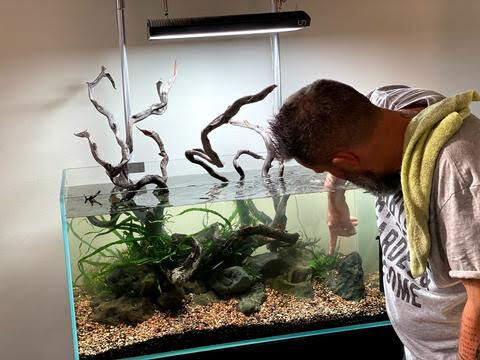
Aquascaping uses plants to create a designed underwater layout. Plants are chosen based on height, texture, leaf shape, color, growth speed, and placement.
Aquascaping plant groups include:
- Foreground carpeting plants
- Midground transition plants
- Background stem plants
- Epiphytes attached to hardscape
- Mosses for wood and stone
- Floating plants for shade
- Accent plants for color and texture
A good aquascape does not need every plant type. Many beautiful layouts use only a few plant species arranged with strong hardscape and good spacing.
How to Choose the Right Aquarium Plants
Before buying aquarium plants, ask these questions:
- Is my tank low-tech or CO2-injected?
- What kind of light do I have?
- What substrate am I using?
- Do I want easy plants or advanced plants?
- Is this for fish, shrimp, bettas, or aquascaping?
- Do I want slow-growing or fast-growing plants?
- Do I want a carpet, background growth, or hardscape-attached plants?
- Am I willing to trim regularly?
- Do I need pest-free tissue culture plants?
- Is my tank already cycled and stable?
The best aquarium plant is not always the rarest or most colorful one. The best plant is the one that fits your tank and your maintenance style.
Best Aquarium Plants for Beginners
If you are not sure where to start, these are some of the best beginner-friendly freshwater aquarium plants:
- Anubias
- Java fern
- Java moss
- Bucephalandra
- Cryptocoryne wendtii
- Amazon sword
- Pearl weed
- Water sprite
- Hornwort
- Vallisneria
- Floating plants
These plants are popular because they are hardy, useful, and adaptable to many freshwater aquariums.
Shop Aquarium Plants at Pet Zone SD
Pet Zone SD carries freshwater aquarium plants for planted tanks, aquascapes, shrimp tanks, nano aquariums, betta tanks, and community fish tanks.
Depending on current availability, customers may find:
- Beginner aquarium plants
- Low-tech plants
- CO2 plants
- Tissue culture plants
- Foreground plants
- Stem plants
- Epiphyte plants
- Mosses
- Floating plants
- Rare aquatic plants
- Aquascaping plants
- Potted plants
- Bunched plants
If you are in San Diego, visit Pet Zone SD to shop aquarium plants in person and ask for help choosing plants for your setup. If you are shopping online, browse current plant availability at PetZoneSD.com.
Aquarium Plant Questions We Get Asked Most
What are the best aquarium plants for beginners?
The best beginner aquarium plants include Anubias, Java fern, Java moss, Bucephalandra, Cryptocoryne, Amazon sword, Vallisneria, pearl weed, hornwort, water sprite, and floating plants. These plants are popular because they are hardy and can grow in many freshwater aquarium setups.
Do aquarium plants need CO2?
Not all aquarium plants need CO2. Many low-tech plants can grow without CO2 injection. However, CO2 helps demanding plants, carpeting plants, red stem plants, and advanced aquascapes grow faster and healthier.
What are low-tech aquarium plants?
Low-tech aquarium plants are plants that can grow without injected CO2. Examples include Anubias, Java fern, Cryptocoryne, Bucephalandra, Amazon sword, Java moss, Vallisneria, water sprite, hornwort, and many floating plants.
Why are my aquarium plants melting?
Aquarium plants may melt because they are adjusting to new water conditions, transitioning from emersed to submerged growth, recovering from shipping stress, lacking nutrients, receiving poor lighting, or being planted incorrectly. Some melting is normal, especially with Cryptocoryne and tissue culture plants.
Are tissue culture aquarium plants better?
Tissue culture plants are great for clean planted tanks and aquascapes because they are usually grown in sterile cups and are typically free from snails, algae, and pests. They still need proper rinsing, planting, lighting, nutrients, and time to adjust.
What aquarium plants can attach to wood or rocks?
Epiphyte plants such as Anubias, Java fern, Bucephalandra, Bolbitis, and mosses can attach to wood or rocks. Do not bury their rhizomes deeply in substrate.
What aquarium plants are good for shrimp tanks?
Good shrimp tank plants include Java moss, Christmas moss, Bucephalandra, Anubias, Java fern, Subwassertang, Cryptocoryne, pearl weed, floating plants, and tissue culture plants.
How long should aquarium lights be on for plants?
Many planted aquariums do well with about 6 to 8 hours of light per day, but the ideal schedule depends on plant type, light strength, CO2, nutrients, and algae growth.
Do aquarium plants help with algae?
Healthy aquarium plants can help compete with algae by using nutrients and light. However, plants alone do not prevent algae. Good maintenance, balanced lighting, proper nutrients, and stable conditions are also important.
What substrate is best for aquarium plants?
Aquasoil or nutrient-rich planted substrate is often best for plant-heavy aquariums and aquascapes. Sand or gravel can also work, especially when root tabs are used for heavy root-feeding plants.
Can aquarium plants grow in gravel?
Yes, some aquarium plants can grow in gravel, especially hardy plants and epiphytes. Heavy root feeders may need root tabs if the gravel does not contain nutrients.
Where can I buy aquarium plants in San Diego?
Pet Zone SD sells freshwater aquarium plants in San Diego and online at PetZoneSD.com. The shop carries plants for beginners, planted tanks, aquascapes, shrimp tanks, betta tanks, low-tech tanks, and CO2 aquariums.
Ready to Start Your Planted Aquarium?
Pet Zone SD carries freshwater aquarium plants for beginners, aquascapers, shrimp keepers, betta tanks, nano aquariums, low-tech planted tanks, and CO2 aquascapes. Whether you need easy plants like Anubias and Java fern, clean tissue culture plants, carpeting plants, stem plants, floating plants, or aquascaping supplies, our team can help you choose plants that fit your setup.
Visit Pet Zone SD in San Diego or shop aquarium plants online at PetZoneSD.com